





Kejujuran dalam pembuatan madu dimulai jauh sebelum toples disegel. Bagi pembeli B2B global, pertanyaan sebenarnya bukan hanya soal rasa manis—tetapi juga... dari mana madu itu sebenarnya berasal dan apakah asal-usulnya dapat diverifikasi..
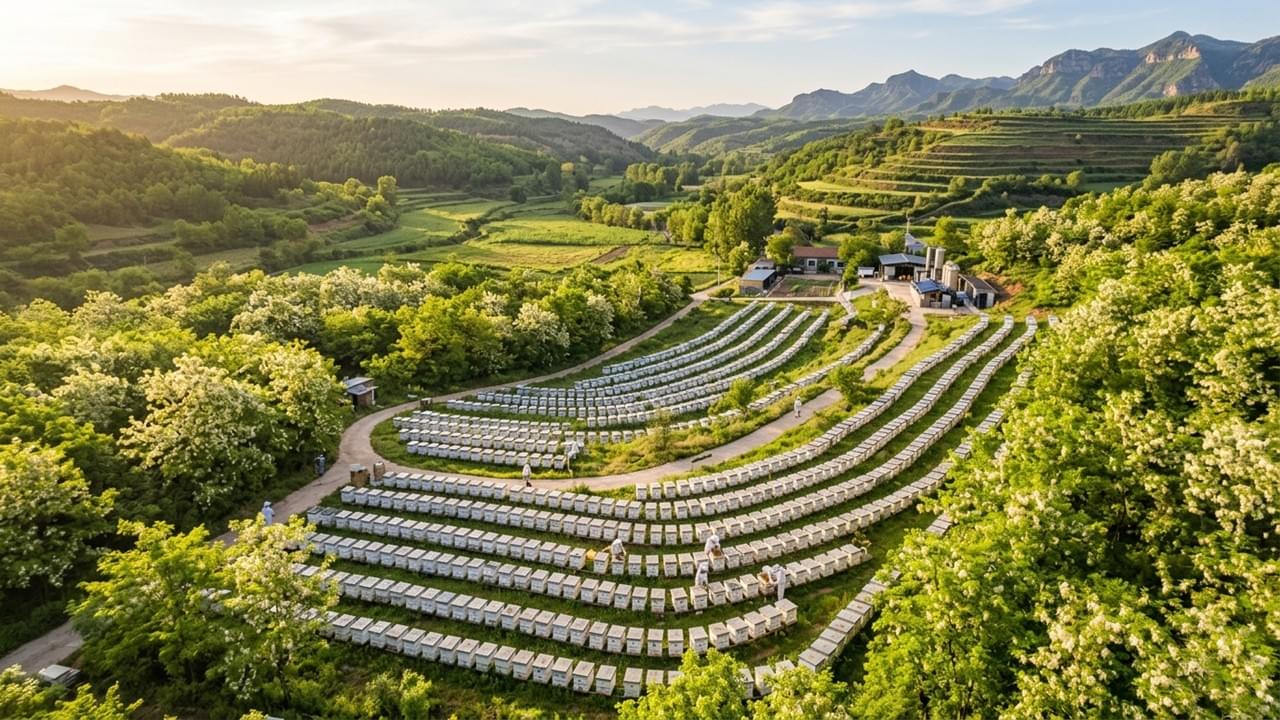
Di Delee Honey, perjalanan itu dimulai di tempat kami. peternakan lebah madu. Jaringan kami meliputi... lebih dari 200 peternakan lebah di seluruh Tiongkok, sehingga membentuk sumber madu yang andal dan dapat dilacak untuk pasar internasional.
Setiap kelompok madu dapat ditelusuri kembali ke asalnya. madu alami asal, Dengan pengelolaan sarang lebah yang terdokumentasi, sumber bunga yang dipilih dengan cermat, dan standar panen yang ketat. Sistem pengadaan ini memungkinkan importir, produsen, dan pemilik merek untuk memverifikasi keaslian pasokan madu mereka.
Dalam panduan ini, kita akan menjelajahi bagaimana Delee's basis produksi madu beroperasi—dari peternakan lebah hingga madu siap ekspor.
🌍 Geografi Madu di Tiongkok: Mengapa Peternakan Lebah Madu Penting
China adalah produsen dan pengekspor madu terbesar di dunia. Menurut data dari Organisasi Pangan dan Pertanian Perserikatan Bangsa-Bangsa. (FAO), China secara konsisten menempati peringkat pertama dalam produksi madu global, memasok sebagian besar pasar madu internasional. Pembeli dapat menelusuri statistik resmi melalui Data produksi madu Tiongkok:
👉 https://www.fao.org/faostat/
Namun, kualitas madu dapat sangat bervariasi tergantung pada iklim, keanekaragaman flora, dan praktik peternakan lebah di berbagai wilayah.
Itulah mengapa Delee mengembangkan strategi tertentu. peternakan lebah madu di berbagai zona ekologi. Alih-alih bergantung pada satu area produksi, kami membangun jaringan yang beragam yang memastikan pasokan stabil dan kualitas konsisten bagi pembeli global.
🍯 Sumber Bunga Utama di Peternakan Lebah Madu Delee
Peternakan lebah madu kami berlokasi di wilayah penghasil nektar utama di seluruh Tiongkok:
🌸 Madu Bunga Jujube
Madu ini dipanen di provinsi Hebei dan Shanxi, memiliki warna kuning keemasan yang kaya dan rasa seperti karamel. Madu ini sangat dihargai karena aromanya yang kuat dan kandungan fruktosa alaminya yang tinggi.
🌿 Madu Linden (Basswood)
Dikumpulkan di hutan-hutan Tiongkok Timur Laut, terutama Jilin dan Heilongjiang. Warnanya yang cerah dan aroma bunganya yang lembut membuatnya populer di kalangan pembeli Eropa dan Jepang.
🌼 Madu Akasia
Salah satu varietas madu Tiongkok yang paling banyak diekspor. Madu akasia dari peternakan lebah kami memiliki warna pucat, rasa yang lembut, dan tingkat kristalisasi yang lambat.
🌻 Madu Bunga Rapeseed (Kanola)
Madu ini dihasilkan pada musim semi di seluruh wilayah tengah Tiongkok, madu ini cepat mengkristal dan banyak digunakan dalam pengolahan makanan.
🌺 Madu Bunga Liar
Dipanen dari beragam area vegetasi alami, menawarkan nutrisi dan profil rasa yang kompleks.
Setiap jenis bunga diproses secara terpisah untuk menjaga kualitasnya. integritas madu asal tunggal, sebuah persyaratan utama bagi pembeli B2B premium.
🐝 Manajemen Peternakan Lebah Madu: Struktur di Balik Kualitas
Pengadaan dalam skala besar membutuhkan lebih dari sekadar banyak peternakan—ini membutuhkan standar manajemen yang konsisten.
Peternakan lebah madu Delee beroperasi di bawah sebuah protokol manajemen terpusat, memastikan setiap peternak lebah mitra mengikuti standar kualitas dan kesehatan yang sama.
🧑🌾 Pemantauan Kesehatan Sarang Lebah di Peternakan Lebah Madu
Lebah yang sehat menghasilkan madu berkualitas tinggi. Peternak lebah kami mengikuti praktik pengelolaan sarang lebah musiman yang selaras dengan kalender nektar Tiongkok.
Praktik-praktik utama meliputi:
- kepadatan sarang yang terkontrol
- migrasi musiman berdasarkan aliran nektar
- pemantauan dan pencegahan penyakit
- protokol pemberian makan standar selama kekurangan nektar
Inspeksi sarang tahunan memastikan bahwa produksi madu tidak pernah membahayakan kesehatan koloni.
🍯 Standar Panen di Peternakan Lebah Madu
Waktu panen memainkan peran penting dalam kualitas madu.
Di peternakan lebah Delee, madu hanya dipanen ketika kadar air memenuhi persyaratan ketat:
- ≤20% kadar air untuk madu standar
- Kadar air ≤18% untuk madu premium
Koordinator pertanian mengukur kadar air menggunakan refraktometer sebelum ekstraksi. Setiap kelompok dikemas dan diberi label segera untuk menjaga ketelusuran.
Prosedur ini memastikan setiap pengiriman berasal dari Sumber madu yang terverifikasi dan dapat dilacak.
🔎 Ketelusuran Peternakan Lebah Madu: Dari Sarang ke Pabrik
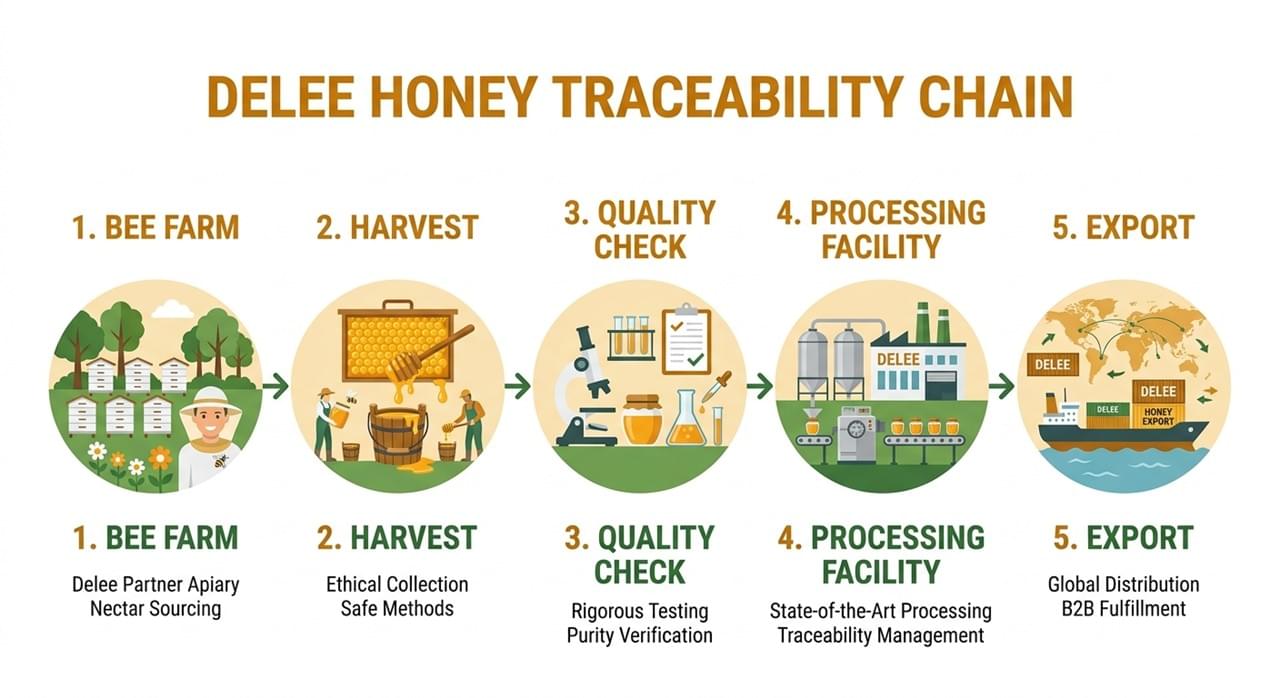
Industri makanan global saat ini membutuhkan transparansi penuh. Pembeli harus mengetahui dari mana bahan-bahan tersebut berasal dan bagaimana bahan-bahan tersebut diproses.
Itulah mengapa Delee membangun sistem yang komprehensif. sistem sumber madu yang dapat dilacak Menghubungkan peternakan lebah madu ke fasilitas pengolahan.
📄 Sistem Dokumentasi
Setiap kiriman madu yang tiba dari peternakan lebah kami meliputi:
- 📍 Lokasi pertanian dan identifikasi peternak lebah
- 📅 Tanggal panen dan sumber bunga
- 🧪 Hasil inspeksi kualitas awal
- 🔢 Nomor lot terhubung dengan catatan pemrosesan
Sistem ini memungkinkan pelanggan untuk memverifikasi setiap langkah dalam rantai pasokan.
📅 Kalender Produksi Madu Musiman
Basis produksi madu kami beroperasi sesuai dengan musim panen nektar di Tiongkok:
| Musim | Jenis-Jenis Madu Utama | Periode Panen |
|---|---|---|
| Musim semi | Pemerkosaan, Akasia | Maret – Mei |
| Awal Musim Panas | Jujube, Bunga Liar | Juni – Juli |
| Musim panas | Pohon Linden, Bunga Matahari | Juli – Agustus |
| Musim gugur | Buckwheat, Bunga Liar | September – Oktober |
Karena peternakan lebah madu kami mencakup beberapa wilayah, kami memelihara pasokan madu sepanjang tahun untuk klien global.
🌱 Peternakan Lebah Madu Berkelanjutan untuk Pasokan Jangka Panjang
Keberlanjutan bukan hanya soal pemasaran—ini sangat penting untuk melindungi produksi madu di masa depan.
Delee mempromosikan praktik ekologis di seluruh peternakan lebah madunya untuk menjaga stabilitas pasokan jangka panjang.
🌿 Peternakan Lebah yang Bertanggung Jawab terhadap Lingkungan
Mitra pertanian kami mengikuti pedoman keberlanjutan seperti:
- Menemukan sarang lebah di lingkungan dengan penggunaan pestisida rendah.
- menjaga jarak aman dari tanaman yang diberi perlakuan kimia
- Memantau kesehatan koloni sepanjang musim.
Praktik-praktik ini membantu melindungi keduanya. populasi lebah dan kualitas madu.
👨👩👧 Mendukung Komunitas Peternak Lebah Lokal
Banyak dari peternakan lebah madu kami dikelola oleh keluarga. Delee membangun kemitraan jangka panjang dengan peternak lebah lokal, menyediakan peluang pendapatan yang stabil bagi masyarakat pedesaan.
Kolaborasi ini memastikan pasokan bahan baku yang andal sekaligus melestarikan pengetahuan tradisional tentang peternakan lebah.
🏭 Mengapa Peternakan Lebah Madu Penting bagi Pembeli Madu Global
Bagi importir, produsen makanan, dan merek madu, kekuatan pemasok terletak pada jaringan sumber pengadaannya.
Peternakan lebah madu Delee memberikan beberapa keuntungan:
✅ Stabilitas pasokan geografis
✅ Pilihan madu fleksibel, baik madu tunggal maupun campuran.
✅ Dokumentasi sumber madu yang terverifikasi dan dapat dilacak
✅ Produksi musiman berkelanjutan
Struktur ini basis produksi madu Membantu pembeli menjaga rantai pasokan yang stabil dan kualitas produk yang konsisten.
📞 Siap Memverifikasi Sumber Madu Anda?
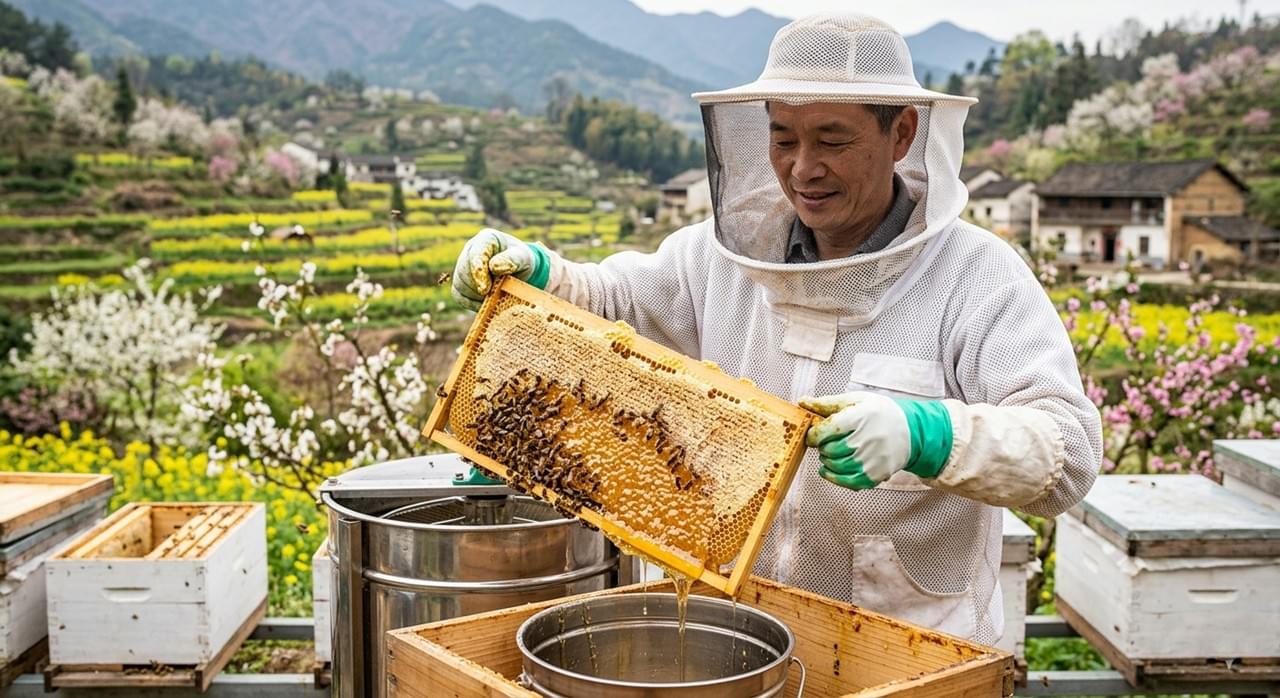
Delee Honey memasok produk madu yang dapat dilacak ke pelanggan di lebih dari 30 negara di seluruh dunia.
Jika strategi pengadaan Anda memerlukan peternakan lebah madu terverifikasi, ketertelusuran yang terdokumentasi, dan varietas bunga yang konsisten, Tim kami siap membantu.
👉 Ajukan konsultasi pengadaan atau kunjungan ke pertanian →
Anda juga dapat menjelajahi rangkaian produk kami, termasuk
👉 madu akasia
Atau pelajari lebih lanjut tentang sistem sertifikasi kami di Pilar 2: Jaminan Mutu.


