












Bioactive Compounds in Honey: Why This Natural Sweetener Deserves More Respect 🍯
When people think of honey, sweetness usually comes to mind. Yet beneath its golden color lies a complex nutritional system. Bioactive compounds in honey are the reason this natural ingredient has been valued across cultures—not only for taste, but for wellness, preservation, and healing.
Modern research now confirms what tradition long suggested: honey is a functional food, not a simple sugar substitute. Its health value depends largely on how it is sourced, processed, and consumed—especially when choosing raw honey.
🍯 A Natural Sugar Matrix—Not Empty Calories
Honey is mainly composed of fructose (32–46%) and glucose (25–37%), providing quick and efficient energy. Unlike refined sugar, however, these carbohydrates exist alongside enzymes, minerals, and antioxidants that influence how the body responds.
Small amounts of oligosaccharides also contribute to the functional properties of honey, supporting gut microbiota and digestive balance. This makes honey particularly appealing in clean-label and functional food formulations.
🔬 Bioactive Compounds in Honey: Enzymes That Stay Alive in Raw Honey
One of the most important groups of bioactive compounds in honey is enzymes—especially in raw, unheated varieties.
Key enzymes include:
- Glucose oxidase, which generates hydrogen peroxide for antimicrobial activity
- Catalase, regulating peroxide levels
- Invertase, converting sucrose into glucose and fructose
- Diastase, a freshness and quality indicator
The enzymes in raw honey benefits disappear when honey is heated above 50°C. This is why raw honey offers superior biological activity compared with pasteurized products.
🧪 Vitamins, Minerals, and Amino Acids with Functional Value
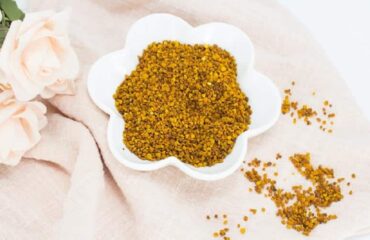
Although present in small quantities, honey delivers B-complex vitamins, vitamin C, and essential minerals such as potassium, magnesium, iron, and zinc—largely derived from pollen.
Amino acids make up 0.2–1.0% of honey, with proline as the dominant compound. Proline levels are widely used in laboratory testing to verify honey authenticity and quality, reinforcing honey’s value as a trust-based ingredient.
🌿 Natural Antioxidants in Raw Honey and Oxidative Defense
Another critical category of bioactive compounds in honey is antioxidants. These include flavonoids and phenolic acids such as quercetin, caffeic acid, and ferulic acid.
Studies show that natural antioxidants in raw honey help neutralize free radicals and reduce oxidative stress. Darker honeys—like buckwheat or wildflower—generally contain higher antioxidant concentrations than lighter varieties such as acacia.
For a scientific overview, the FAO provides insight into honey’s composition and antioxidant activity:
👉 https://www.fao.org/3/i0842e/i0842e.pdf
⚖️ Organic Acids and the Functional Properties of Honey
Organic acids account for about 0.5% of honey’s composition. Gluconic acid lowers honey’s pH to between 3.0 and 4.5, creating an environment hostile to harmful microbes.
These acids contribute to shelf stability and make honey a naturally preserved, clean-label ingredient, widely used in food, beverage, and wellness applications.
🧬 Trace Compounds That Shape Aroma, Color, and Origin
Beyond nutrients, honey contains volatile compounds, pigments, terpenes, and pollen particles. These trace elements define floral origin and sensory identity while adding to honey’s biological complexity.
This is why single-origin honey is increasingly valued by formulators and global buyers seeking transparency and differentiation.
🧠 How to Maximize the Benefits of Bioactive Compounds in Honey
To preserve bioactivity:
✔ Avoid heating above 50°C
✔ Do not microwave or boil honey
✔ Choose raw, single-origin honey
✔ Match honey type to functional goals
For ingredient-grade raw honey options, visit DELEE HONEY:
👉 https://www.deleehoney.com
Final Thoughts: Honey as a Smart Functional Ingredient ✨
Honey is not just sweet—it is biologically active. The bioactive compounds in honey work together to support immunity, digestion, and oxidative balance, making honey a strategic ingredient for modern clean-label products.
Understanding these compounds allows buyers and brands to move beyond sweetness and toward true functional value—where nature and science meet.