





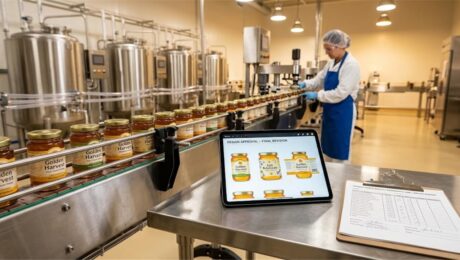
Ask any food distributor where the real margins live, and the answer is rarely the branded shelf. Private label goods consistently out-earn resold brands — and a honey private label program is one of the cleanest examples in the category. It lets you capture the value of a distinctive brand identity without the capital cost
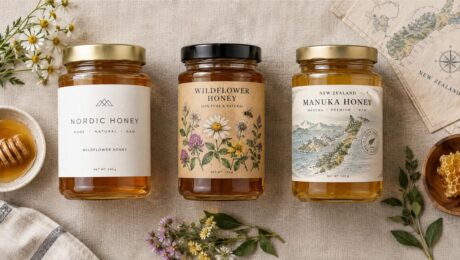
Honey brand packaging among the top labels of the past decade relies on a handful of durable principles rather than passing trends. These standout brands name their origin with precision, maintain a consistent visual system across their entire range, and translate values like artisan quality, sustainability, and natural purity into tactile, visible design choices. 🍯
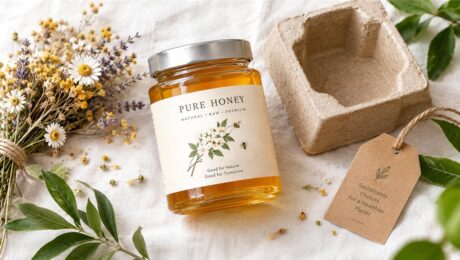
Sustainable honey packaging is no longer just a nice brand story — it is becoming a line item on the purchase order. EU packaging regulations, retailer sustainability charters, and growing consumer pressure have turned recyclable packaging into a baseline expectation. For importers sourcing honey from China for European, North American, and Gulf markets, that shift
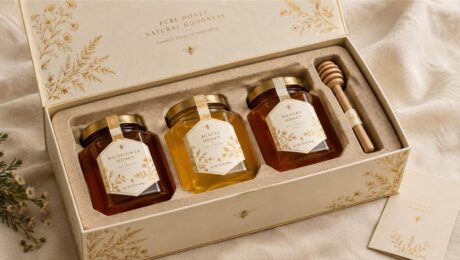
Gift seasons make or break honey margins. Around Chinese New Year, Eid, Ramadan, Christmas, and corporate gifting cycles, a well-executed honey gift box design commands prices that have almost nothing to do with the commodity cost of the honey inside — the box is doing the selling. 🎁 This guide breaks down the honey gift
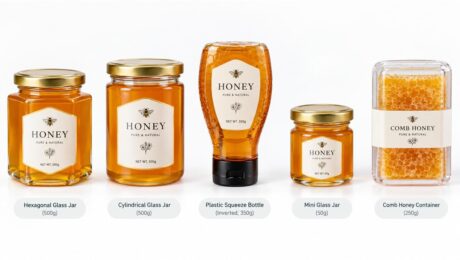
Pick the wrong container early in a honey project, and you’ll feel it everywhere — shelf appeal, shipping costs, how shoppers handle the jar. That’s why experienced importers treat honey jar types as a strategy decision, not a packaging detail: the format signals positioning, shapes behavior, and moves your landed cost. 🍯 This guide walks
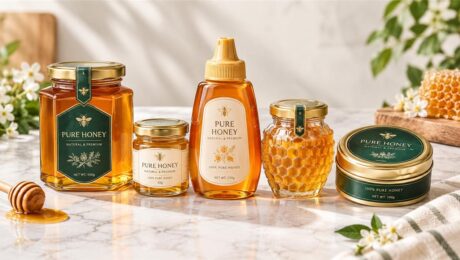
Here’s a truth every honey buyer learns eventually: the same amber liquid can leave the dock as a commodity and land on a shelf as a premium brand. What changes in between? Almost always honey packaging design. 🍯 For brands and importers positioning honey in premium retail, foodservice, or gifting channels, packaging isn’t a finishing
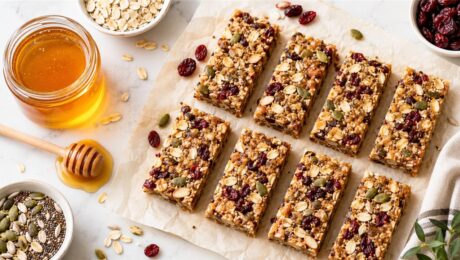
Ask anyone who’s launched a snack brand: buyers in this category read the label before they read the price. That’s why the honey energy bar keeps winning shelf space — honey is simultaneously a sweetener, a natural binder, a moisture regulator, and a clean-label signal health-conscious shoppers actually recognize. Few ingredients do four jobs at

Ask any beverage developer what buyers are hunting for right now, and the answer barely changes: clean labels, recognizable ingredients, and something that actually tastes good. That’s exactly the gap honey beverage recipes fill. Honey brings clean-label sweetener status, warm consumer perception, and genuine functional properties — a rare combination in a market where natural
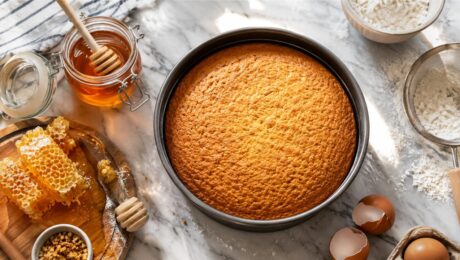
Ask a bakery formulator about honey in healthy baking and you’ll get a version of the same answer: it’s the rare sweetener that improves the label and the loaf at the same time. Clean-label and reduced-sugar positioning have made reformulation a standing priority across the sector, and honey earns its place not just with consumer
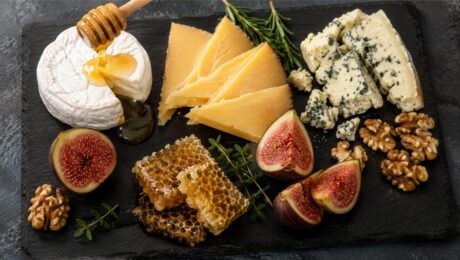
Ask any specialty food buyer about honey cheese pairing and you’ll hear the same refrain: it’s one of the most commercially versatile combinations in the category. Artisan cheese shops, fine-dining cheese courses, catered corporate events, premium gift sets — the pairing creates value across almost every food business format you can name. 🍯 This guide