











Why Sustainable Beekeeping Matters Beyond Environmental Responsibility
When procurement teams evaluate honey suppliers, they often focus on pricing, certifications, testing reports, and logistics capabilities. While these factors are important, one critical element is frequently overlooked: the health and sustainability of the bee populations that make honey production possible.
Sustainable Beekeeping is no longer simply an environmental initiative. It has become a fundamental component of supply chain resilience. Healthy colonies directly influence honey yields, product consistency, and long-term pricing stability. For honey buyers, understanding this connection can help reduce sourcing risks and improve supplier selection decisions.
As global demand for natural sweeteners and bee products continues to rise, sustainable honey sourcing has become a key differentiator between suppliers that can maintain reliable production and those vulnerable to disruption.
🌍 The Global Challenge Facing Honeybee Colonies
Honeybee populations across many major honey-producing regions have experienced significant pressure over the past decade. Researchers and industry experts generally agree that multiple factors are contributing to colony decline.
🐝 Varroa Mite Infestation Remains a Major Threat
The Varroa mite continues to be one of the most damaging parasites affecting managed honeybee colonies worldwide. Beyond weakening individual bees, these mites can spread viruses throughout a colony, increasing mortality rates and reducing productivity.
For commercial honey operations, uncontrolled infestations can rapidly impact production volumes and create long-term supply challenges.
🌱 Pesticide Exposure Impacts Colony Performance
Modern agriculture often relies on crop protection products that may affect bee populations. Even when exposure does not cause immediate mortality, sublethal effects can disrupt navigation, foraging efficiency, and immune response.
Over time, these impacts can weaken colonies and reduce overall honey production capacity.
🌸 Nutritional Stress Reduces Colony Resilience
Many agricultural landscapes provide fewer diverse flowering plants than in previous decades. Limited forage diversity can restrict access to essential nutrients, weakening colony health and making bees more vulnerable to disease and environmental stress.
☀️ Climate Variability Creates New Challenges
Changing weather patterns continue to influence flowering seasons and nectar flows. When bloom periods shift unexpectedly, bee population growth and nectar availability may no longer align, resulting in lower honey yields.
Across North America, Europe, and parts of Asia, annual colony loss rates have often ranged between 25% and 45% in recent years. These losses require significant reinvestment from beekeepers simply to maintain existing production capacity.
For honey buyers, this means current production volumes do not always guarantee future availability. The condition of a supplier’s bee population is increasingly becoming a predictor of long-term supply reliability.
🏆 How Sustainable Beekeeping Supports Delee’s Supply Network
At Delee Honey, Sustainable Beekeeping serves two important purposes: protecting ecosystems and safeguarding supply continuity.
Healthy bee colonies are the foundation of every successful honey harvest. Maintaining colony health helps ensure both product quality and dependable production capacity.
📊 Sustainable Beekeeping Through Hive Monitoring
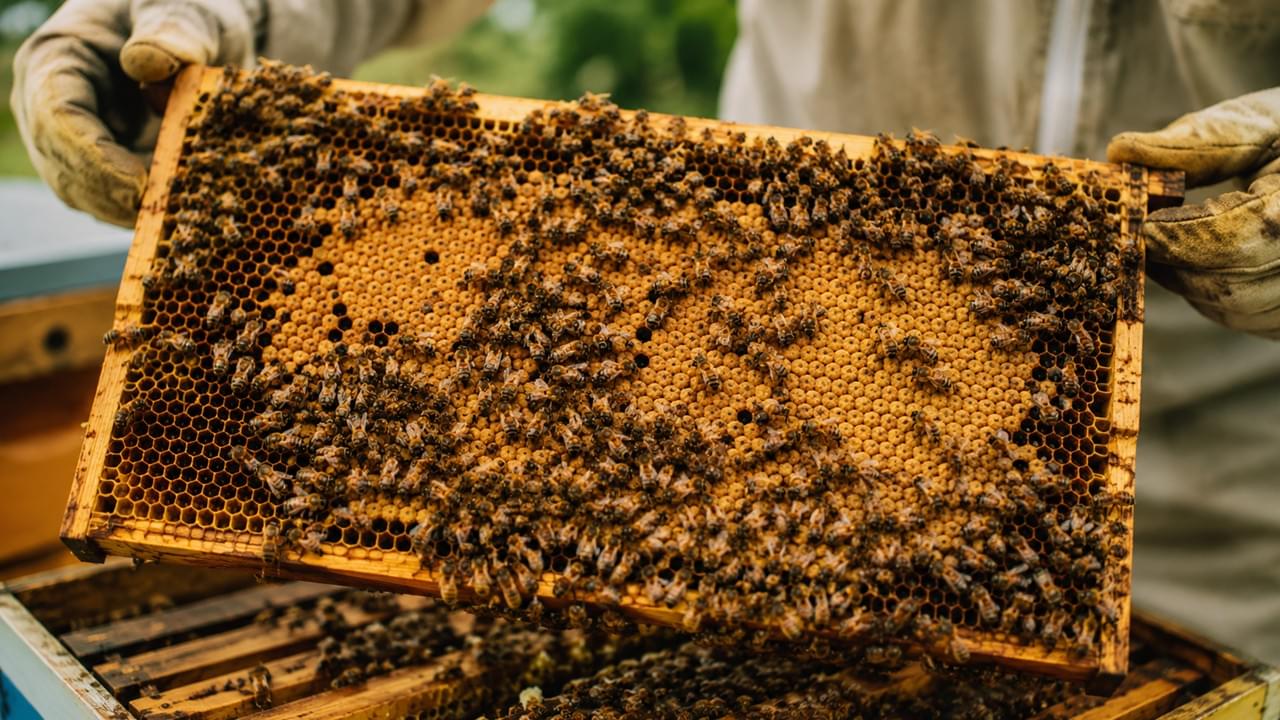
Regular hive assessments are conducted throughout Delee’s beekeeping network to monitor colony development and identify potential risks before they affect production.
This monitoring program helps:
- Detect early signs of colony stress
- Track regional population trends
- Improve production forecasting
- Support consistent raw material quality
By using data-driven management practices, Delee can respond proactively rather than reactively.
🚜 Sustainable Beekeeping and Pesticide Risk Reduction
Apiary placement is carefully planned to reduce unnecessary exposure to agricultural chemicals.
Whenever possible, hives are positioned away from areas with intensive pesticide applications. In locations where agricultural activity is unavoidable, local coordination systems help ensure beekeepers receive advance notification before spraying activities occur.
These measures contribute to healthier colonies and support the clean testing results expected by international buyers.
🔬 Sustainable Beekeeping Through Responsible Varroa Control
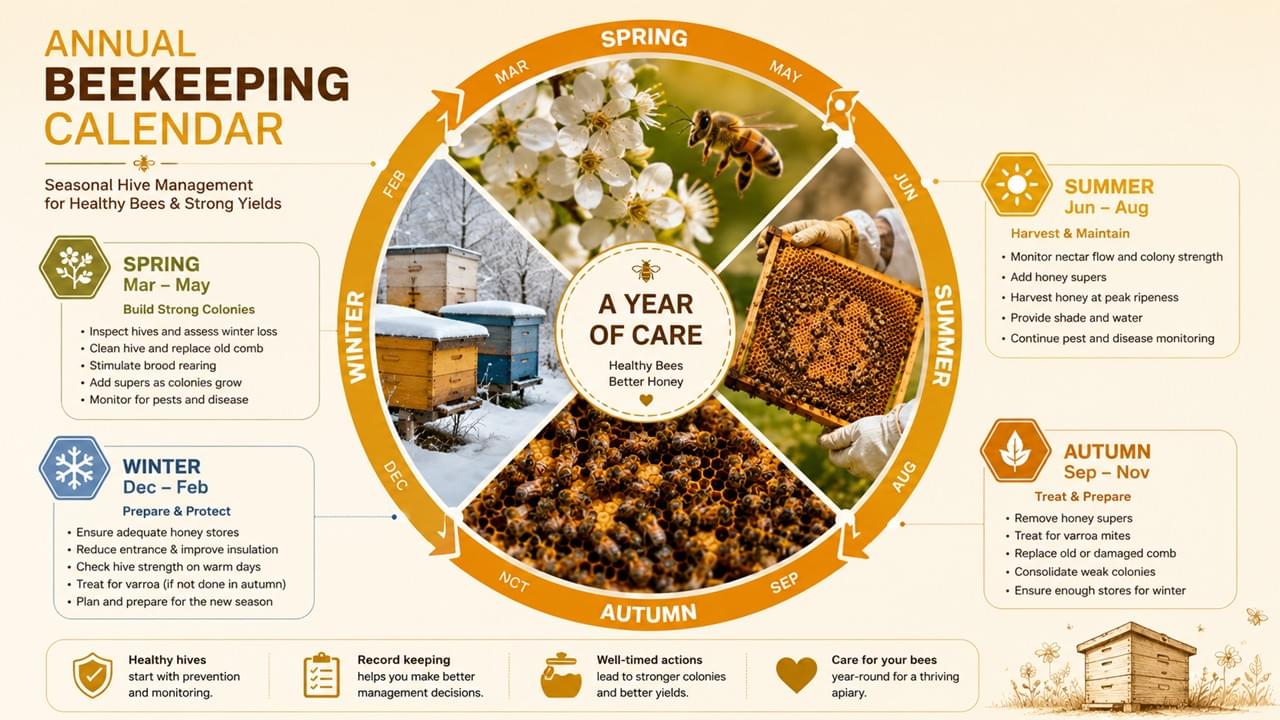
Effective mite management is essential for maintaining strong colonies.
Delee’s farm network follows strict protocols that include:
- Using only approved treatment methods
- Recording treatment schedules and dosages
- Monitoring mite levels before intervention
- Respecting required harvest intervals
Comprehensive treatment records form part of the company’s traceability system and can be reviewed during supplier qualification processes.
👨🌾 Sustainable Beekeeping Depends on Beekeeper Success
Long-term honey production requires more than healthy bees—it also requires stable and knowledgeable beekeepers.
Delee supports partner beekeepers through:
- Multi-year purchasing agreements
- Technical training programs
- Access to approved treatment solutions
- Premium incentives for high-quality raw materials
Experienced beekeepers operating under stable partnerships consistently deliver better results than temporary or opportunistic supply arrangements.
This relationship between producer stability and honey supply stability is often underestimated but remains essential for long-term sourcing success.
📦 What Sustainable Beekeeping Means for Your Supply Chain
For B2B buyers, the benefits of sustainable honey sourcing extend beyond environmental reporting.
A supplier that actively invests in colony health is better positioned to deliver:
✅ More predictable production volumes
✅ Reduced supply interruption risks
✅ Improved raw material consistency
✅ Better long-term pricing stability
✅ Stronger traceability documentation
Delee’s ongoing hive monitoring programs provide early visibility into production trends, helping reduce the likelihood of unexpected shortages.
At the same time, pesticide management protocols and beekeeper partnership programs support the consistent quality standards expected by food manufacturers, distributors, and private-label brands worldwide.
These advantages are not marketing claims—they are operational practices designed to strengthen the entire bee colony health supply chain.
📑 Sustainability Documentation and Buyer Support
Many international buyers now require sustainability reporting as part of supplier qualification and corporate responsibility programs.
To support these requirements, Delee can provide documentation covering:
- Sustainable farm management practices
- Hive health management procedures
- Supplier sustainability questionnaires
- Responsible sourcing initiatives
👉 Request our sustainability documentation:
https://deleehoney.com/about-us/
For additional information about raw material sourcing and apiary management, explore:
👉 https://deleehoney.com/bee-farms/
🌱 Sustainable Beekeeping Is an Investment in Supply Security
In today’s increasingly complex food supply environment, sustainability and business performance are closely connected.
Healthy bee populations support stable honey production. Stable honey production supports reliable sourcing. Reliable sourcing supports long-term business growth.
That is why Sustainable Beekeeping should be viewed not only as an environmental commitment but also as a strategic supply chain investment.For context on how sustainable beekeeping connects to our quality certification framework, see our Pillar 2 Certification overview.
For buyers seeking dependable partners, evaluating how suppliers protect their bees may be just as important as evaluating certifications, pricing, or production capacity. In the long run, healthy colonies help create healthier supply chains for everyone involved. 🐝🍯🌍