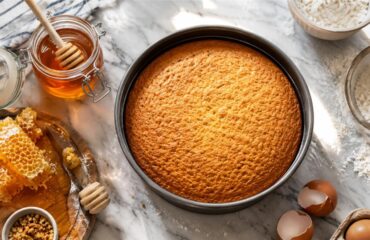













In today’s evolving honey market, a distinct divide is emerging between the familiar liquid honey and its artisanal counterpart—comb honey. Often referred to as the “champagne of honey,” comb honey is carving out a niche with its unprocessed purity, labor-intensive production, and visually appealing presentation.
Why Comb Honey Commands a Premium
Labor-Intensive Production:
Unlike liquid honey, which is typically extracted, filtered, and pasteurized, comb honey is carefully harvested with every hexagonal cell left intact. This meticulous process preserves natural enzymes, pollen, and antioxidants—elements that health-conscious consumers seek. Due to this hands-on approach, production costs can be 40–50% higher, a fact highlighted by industry experts.
Market Pricing:
Comb honey typically retails for $15–$30 per pound, compared to premium liquid honey at $8–$12 per pound. This premium is not just reflective of its production challenges, but also its status as a gourmet product. Retailers—especially in upscale and health-focused markets—often mark up comb honey by 50–70%, capitalizing on its “raw” and “farm-to-table” appeal.
Profitability Drivers: Beyond Just Price
Premiumization Trends:
With the health and wellness boom, consumers are increasingly willing to invest in products that promise unadulterated, natural benefits. A Nielsen report noted that a significant portion of buyers pay more for products labeled as “raw” or “unprocessed,” aligning perfectly with the ethos of comb honey. Its gourmet appeal also sees it featured in high-end restaurants and exclusive charcuterie boards.
Lower Competition:
While the liquid honey market is dominated by large brands, comb honey is primarily produced by small-scale apiaries. This gives distributors an edge in negotiating exclusive agreements, reducing competitive pressures and potentially yielding higher margins.
Sustainability Credentials:
In an era where eco-consciousness is key, comb honey stands out for its minimal processing, which uses about 30% less energy than traditional methods. Moreover, the natural beeswax is biodegradable, appealing strongly to environmentally aware consumers.
Strategic Channels to Capitalize on Comb Honey
Distributors looking to capitalize on comb honey’s artisanal appeal should consider the following channels:
Gourmet & Specialty Stores: Retailers such as Whole Foods and Eataly prize products with compelling stories. Comb honey, often marketed as “single-origin” or “wildflower,” fits perfectly in this space.
E-Commerce Platforms: With 45% of premium honey sales occurring online, direct-to-consumer (DTC) models can boost margins by cutting out the middleman.
Health & Wellness Boutiques: Products boasting natural qualities, such as unique UMF ratings or MGO levels, are ideal for boutique markets that emphasize quality and traceability.
Navigating Challenges and Embracing Innovation
Despite its lucrative margins, comb honey does present a few challenges:
Fragile Supply Chains: The delicate nature of the beeswax comb means specialized logistics—such as cold-chain shipping—are essential.
Consumer Education: Many potential buyers are unfamiliar with how to enjoy comb honey. Hosting tasting events or creating recipe guides (e.g., “10 Ways to Enjoy Comb Honey”) can help bridge this gap.
Adulteration Risks: Given its premium status, ensuring product authenticity is crucial. Working with certified suppliers and incorporating blockchain traceability can mitigate these risks.
Looking ahead, technological advancements—like SimplKomb automated comb-cutting tools and innovative prebiotic-infused combs—promise to streamline production while preserving quality. Additionally, subscription models (such as monthly “hive-to-home” boxes) are emerging as a way to secure recurring revenue.
A Trusted Partner: Delee Honey
For distributors and retailers eager to source high-quality comb honey and other premium bee products, Delee Honey offers a compelling proposition. As a well-established Chinese manufacturer with over a decade of experience, Delee Honey is committed to excellence—from sourcing top-grade raw honey across 14 provinces in China to ensuring rigorous quality control. Their commitment is underscored by international certifications including HALAL, KOSHER, ORGANIC, ISO, and HACCP.
Whether you’re looking to expand your gourmet product line or seeking reliable supplier partnerships, Delee Honey’s comprehensive range of honey and bee products is designed to meet global market demands. Discover more about their offerings and commitment to quality by visiting Delee Honey.
FAQ: Comb Honey vs. Liquid Honey
- Why is comb honey more expensive?
Its artisanal production process and natural packaging justify the premium pricing. - Does comb honey have a longer shelf life?
Yes, thanks to its natural beeswax seal, comb honey can maintain its freshness for over two years. - Can comb honey replace liquid honey in recipes?
Absolutely—its unique texture can add both flavor and visual appeal to a variety of dishes. - How can you verify comb honey quality?
Look for reputable certifications like USDA Organic or UMF™ and check for natural crystallization as signs of purity.