






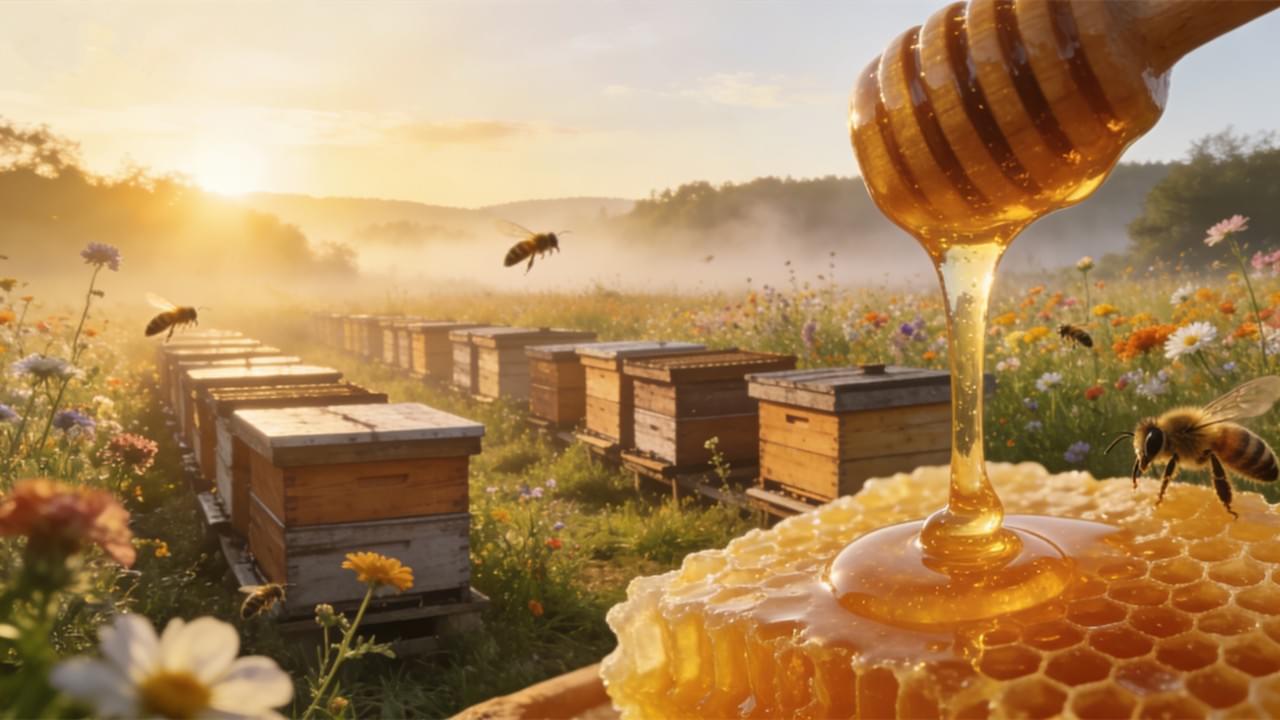
Honey Origins: Why They Matter More Than Ever 🍯
When buyers search for premium honey today, honey origins are often the first question they ask.
Where was the honey harvested?
Which flowers did the bees visit?
Can the supply chain be verified?
For global food manufacturers, importers, and health brands, these questions are no longer optional. Consumers demand transparency, and retailers increasingly require full traceability.
At Delee Honey, honey production begins far from the factory floor. It starts in carefully managed natural bee farms, where healthy ecosystems and responsible beekeeping create the foundation for high-quality honey.
Understanding honey origins helps buyers evaluate purity, sustainability, and long-term supply reliability.
🌼 The Growing Importance of Honey Origins
Rising Demand for Traceable Honey Sources
The global food industry has shifted toward clean label ingredients and transparent sourcing.
For honey products, this means buyers want access to:
✔ verified traceable honey sources
✔ documented harvest locations
✔ consistent floral origins
✔ quality inspection records
Companies that cannot clearly explain their honey origins often struggle to gain trust in international markets.
Traceability is especially critical for:
- food manufacturers
- private label brands
- functional food companies
- health product distributors
A transparent supply chain protects brand reputation and ensures product safety.
Risks of Unclear Honey Supply Chains
Without verified sourcing, honey can face several risks:
⚠ adulteration with sugar syrups
⚠ mixed floral origins
⚠ inconsistent taste and color
⚠ regulatory compliance issues
This is why responsible producers invest heavily in natural bee farms and supply chain management.
🐝 Inside Delee Honey’s Natural Bee Farms
High-quality honey always begins with healthy bees and abundant nectar sources.
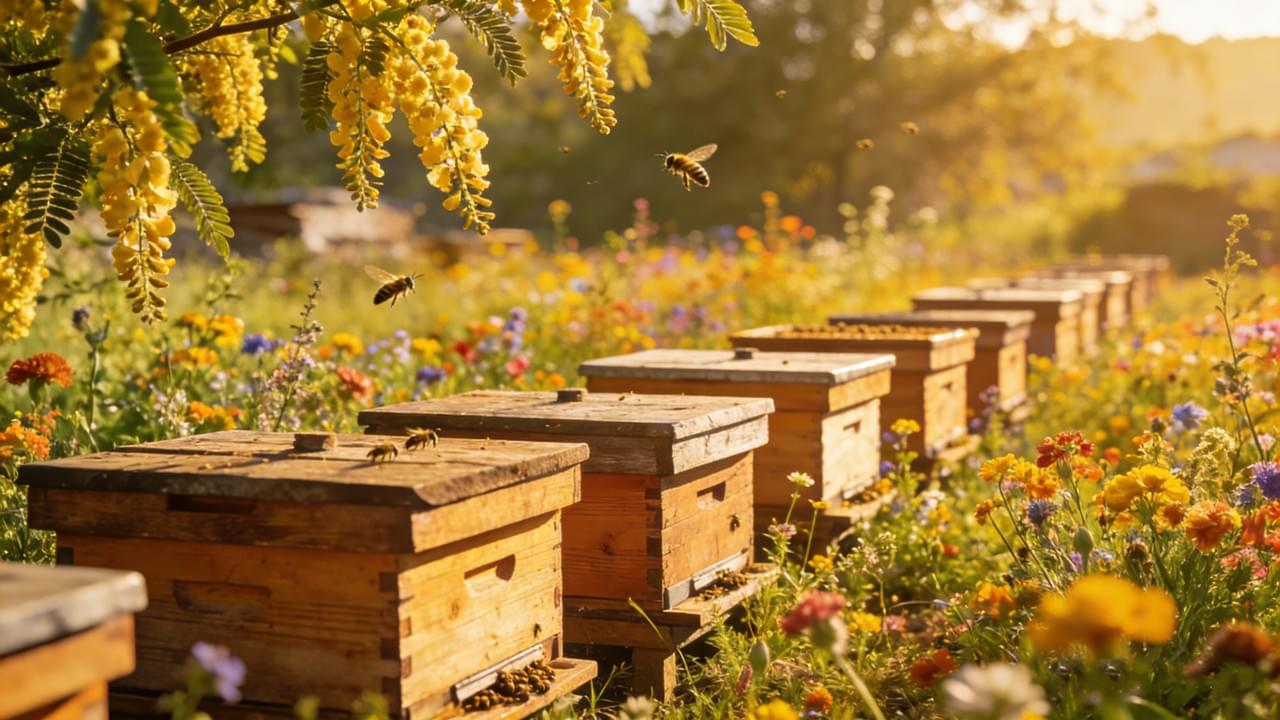
Delee Honey works with over 200 bee farms across China, carefully located in regions known for diverse flowering plants and clean environments.
These farms form the foundation of Delee’s traceable honey sources.
Diverse Floral Regions
Different flowers produce honey with unique flavor profiles and nutritional characteristics.
Some of the most important nectar sources include:
🌼 Acacia flowers – light color and delicate sweetness
🌳 Linden blossoms – refreshing aroma and mild herbal notes
🌸 Jujube flowers – darker honey with rich flavor
🌻 Wildflower varieties – complex natural taste
You can explore one example in the Delee product range here:
👉 https://deleehoney.com/product-category/acacia-honey/
Each floral origin contributes to the diversity of honey products used in food manufacturing, beverages, and health supplements.
Seasonal Honey Harvesting
Honey production follows natural flowering cycles.
Typical harvesting seasons include:
Spring harvest
Early summer harvest
Late summer harvest
During these periods, experienced beekeepers carefully monitor nectar flow and bee activity.
Harvesting at the correct time ensures optimal moisture content and natural enzyme preservation.
🔍 The Honey Production Process: From Hive to Factory
Understanding the honey production process helps buyers appreciate the complexity behind every jar of honey.
Step 1: Honey Collection from the Hive
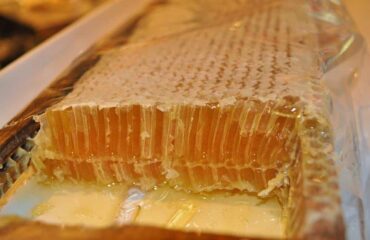
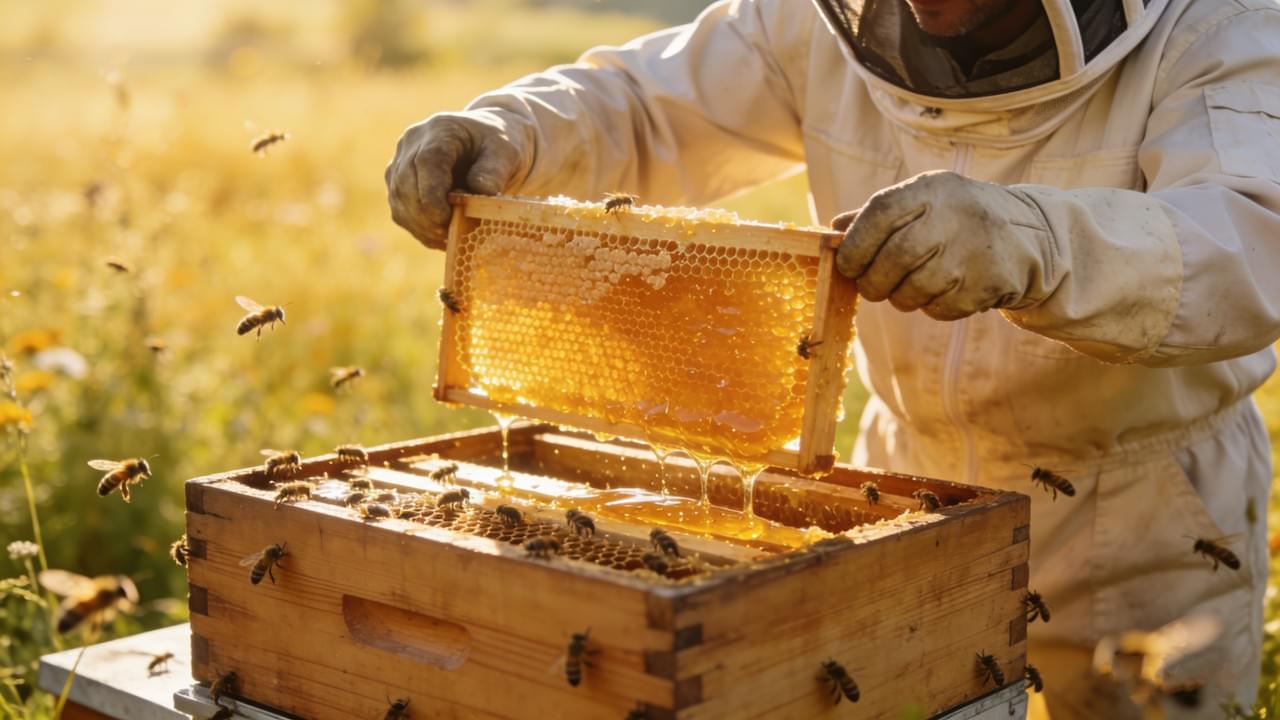
Once honeycombs are fully capped by bees, beekeepers carefully remove the frames.
The honey extraction process includes:
✔ removing wax caps
✔ centrifuging honey from combs
✔ collecting raw honey in food-grade containers
This raw honey retains its natural enzymes and aroma.
Step 2: Initial Filtration and Quality Inspection
After transport from bee farms to the processing facility, the honey undergoes strict testing.
Laboratories evaluate factors such as:
- moisture level
- HMF content
- enzyme activity
- pollen analysis
These tests help verify honey origins and maintain quality consistency.
You can learn more about honey compounds here:
👉 https://deleehoney.com/bioactive-compounds-in-honey/
Step 3: Controlled Filtration and Packaging
After passing inspection, honey enters the processing stage.
The process includes:
🔹 filtration to remove natural wax particles
🔹 controlled temperature handling
🔹 standardized packaging formats
Delee Honey provides packaging solutions ranging from retail jars to bulk industrial drums.
Explore packaging options here:
👉 https://deleehoney.com/packages/
🌍 Sustainable Beekeeping and Environmental Responsibility
Sustainable agriculture is essential for the future of honey production.
Healthy bees depend on healthy ecosystems.
Protecting Bee Populations
Modern beekeeping requires careful environmental balance.
Responsible practices include:
🐝 maintaining safe hive conditions
🌿 preserving floral biodiversity
🌱 avoiding harmful agricultural chemicals
These efforts help maintain stable honey production while protecting pollinator populations.
Supporting Rural Beekeepers
Many bee farms operate in rural communities.
By working with local beekeepers, companies like Delee Honey help:
✔ support agricultural livelihoods
✔ stabilize rural income
✔ encourage sustainable land use
This partnership model strengthens the long-term supply chain.
📦 Why Global Buyers Trust Delee Honey Origins
For international buyers, reliable honey sourcing means more than good flavor.
It requires a dependable partner with transparent supply systems.
Delee Honey offers several advantages:
✔ large-scale bee farm network
✔ consistent harvest capacity
✔ traceable honey sources
✔ international quality standards
Learn more about Delee’s background here:
👉 https://deleehoney.com/about-us/
Reliable Supply Capacity
With extensive bee farm partnerships and modern processing facilities, Delee Honey can support:
- food manufacturers
- beverage companies
- private label brands
- bulk honey distributors
This supply stability is particularly important for companies launching long-term honey product lines.
Verified Quality and Certification
International markets often require strict testing and certification.
Delee Honey supports these requirements through:
✔ laboratory testing
✔ standardized production systems
✔ global export experience
This ensures that honey sourced from natural bee farms meets international quality expectations.
🍯 Final Thoughts
Behind every jar of honey lies a story of flowers, bees, and careful craftsmanship.
Understanding honey origins allows buyers to evaluate quality, sustainability, and authenticity.
From natural bee farms to controlled processing and traceable logistics, the journey of honey is complex—but when managed responsibly, it delivers one of nature’s most valuable ingredients.
For food manufacturers, retailers, and health brands, choosing a reliable supplier with transparent traceable honey sources is the first step toward building a trusted honey product line.