





With accurate control of the cart, a 290-jin large jar of “acacia honey” was sent up by Qiu Xugang and Pan Keyu from the honey factory for heating and filtering. Two workers pushing the cart proudly said, “We are doing a sweet business with the spirit of bees. Recently, in The Fanchang Economic development Zone of
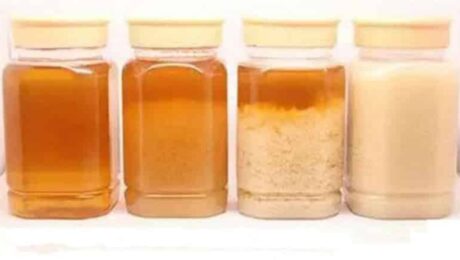
Since honey itself has a bactericidal effect, it is generally not easy to deteriorate when stored in good conditions. Some people do not have the habit of eating honey often, and a bottle of honey has been stored for several years without knowing it. The appearance has not changed but I am not sure if

Dear Friends, The Spring Festival is coming. In order to celebrate the traditional festivals of the Chinese nation, let all employees spend a happy and peaceful Spring Festival and reunite with their families. We have decided that the Spring Festival holiday arrangement of our company is as follows: The Spring Festival holiday time starts on


Coconut is a fruit with high nutritional value. Coconut-related foods are also very popular. Coconut flour is one of them. It is a powder made from fresh coconut milk extracted from fresh coconut meat and then spray-dried. Honey is also nutritious. Rich food, what is the effect of coconut flour and honey? 1. Improve physical
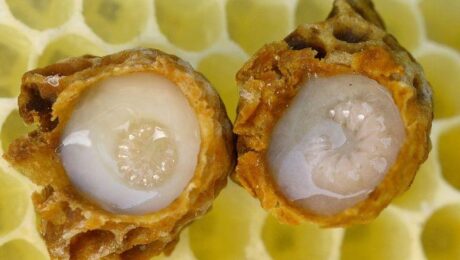
The main component of royal jelly (the two main proteins) can produce allergic reactions, but it is also caused by pollen grains in royal jelly harvested from certain allergic plants. Under what circumstances should you worry about possible allergies to royal jelly? Pollen allergy can cause allergies to royal jelly. A respiratory doctor at Alfred

Delee Honey is derived from Deli Foods and has been focusing on the production and export of natural honey for decades. All of our honey has traceability control procedures, strictly identifying and controlling products. Supplying natural, safe and healthy honey is our goal. Our more than 200 apiaries are scattered in various regions of China,
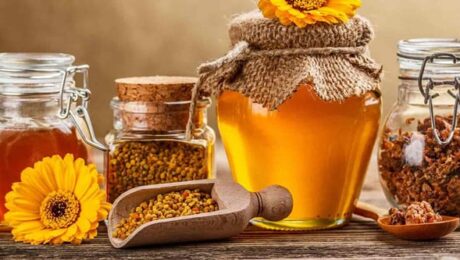
Why Buy Honey Made In China With the continuous improvement of people’s living standards and the increasing awareness of health care, honey, as a nutritious product bestowed by nature to mankind, has been used by more and more people with its pure natural and nutritious characteristics to meet the needs of different consumer groups.It has
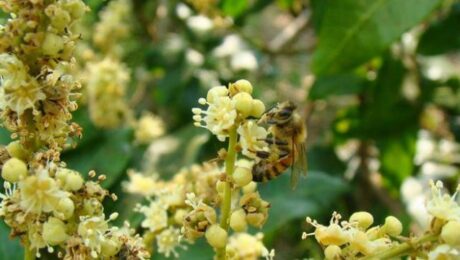
Longan honey is collected by bees longan nectar brewed into honey; Longan (Dimocarpus longan Lour.); Longan honey nectar source is longan flower, southwest to southeast China cultivation is very wide, with Guangdong the most prosperous, Fujian second; Wild or semi-wild in open forests in Yunnan and southern Guangxi. It is also cultivated in south and
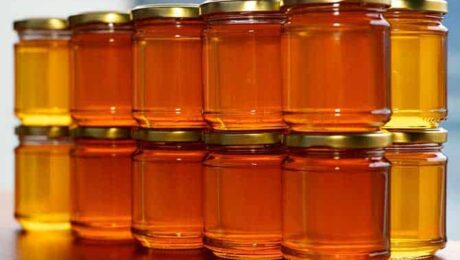
Honey is the most important product of bee farming, honey factory through the sale of honey to obtain economic benefits, but when it comes to product sales can not do without packaging, and good packaging can improve product sales, so honey is also inseparable from packaging, let’s take a look at the honey packaging skills!