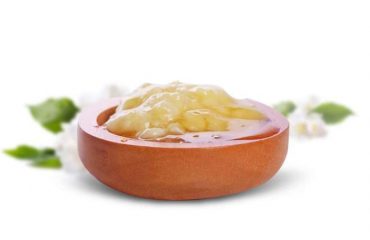













There are two types of honey harvesting: nest honey harvesting and extraction honey. Harvesting hive honey refers to harvesting honey in such a way that the hive built by the bees is left intact. Beekeepers harvest hives full of honey. Whole hives with honey are edible, delicious, and nutritious, and beekeepers often sell them for a premium. However, harvesting this type of honey requires extensive experience, special management and a strong colony; as well as a high yield of nectar in the region. As a result, new beekeepers often need several years to practice the process of honey extraction strictly to the standard before attempting to harvest their hives.
Extracting honey is the process by which we harvest honey from hives that contain mature honey. In short, we carefully screen and prepare the frame to harvest honey. We drive the bees away and move the frame to an interior space that no bees or other insects can access. Then, using a heated knife or other special tool, we carefully remove the wax from the frame. Next, we put the frame in the honey picker. A honey picker is a device designed using centrifugal force to allow the pure honey in the frame to flow into the jars we prepare.
Extraction of honey is generally carried out in summer and autumn, always after the main nectar production period of regional plants. The beekeeper decides how many (and which) hives he/she takes out. Leave 44 pounds (20 kilograms) per hive in temperate climates and 130 pounds (60 kilograms) in regions with cold winters so that the colony can ensure adequate food and avoid severe weather or drought. caused problems. Choosing a framework for extracting honey requires experience to decide. Beekeepers generally choose a frame that is integrally sealed or capped with beeswax at 75% as the target frame for honey extraction. If more than 1/4 of the hive surface remains unsealed, this likely means the honey is not ready to be picked. Because it contains a high proportion of water, it has not undergone a complete enzymatic biochemical process. If we continue to extract in this case, the final extracted honey will look and taste more like a watery syrup than a thick honey. With years of practical experience, some beekeepers are able to identify mature honey present in unsealed hives and set about extracting those hive boxes. Still, we strongly advise new beekeepers not to take chances.
Before we start removing the hive frames inside the hive, it should be kept in mind that during honey collection, bees are very defensive about the honey they produce. Therefore, it is very aggressive to intruders. Strong smells and fragrances can stimulate bees to be more aggressive. It is best for beekeepers to avoid using any spices, especially on honey collection days. Beekeepers should always wear full protective equipment (including gloves) on honey collection days. First, we fumigate the hive with a bee smoker (this may not be allowed in some countries). We do this to calm the bees and stop the rapid spread of the “alarm” pheromone. The alarm pheromone announces, “An intruder has appeared in our colony and must attack immediately”. We can place only fir leaves in the smoker’s smoker – it does not contain any toxic substances. In this way, most bees will be confused and calm without an informative alert, and there will be no major problems when the beekeeper conducts hive inspections or honey collection.
We then shook the hive frame inside the hive to get most of the bees to fly away from the hive. We use a beekeeping brush (which can be dampened with water first) to repel the rest of the bees. It sounds like it’s easy. Bees are well aware that the beekeeper is about to “steal” a valuable product, and are likely to defend their fruit relentlessly. There are several techniques we can use to get rid of the bee chase during honey collection.
Carefully place the frame in the empty hive and cover it. We do the same for all the frames and then ship them to the space indoors (where the honey extraction will take place). It is important that the place where we extract honey is clean, has electricity and water, is well lit and has good ventilation. Of course, make sure no bees or other insects can get in. Unable to have a separate space, some young beekeepers often collect honey outdoors, and some even collect honey next to their hives. This behavior creates a lot of problems and we should always avoid it. Safe honey extraction can only be done indoors.
We can place the frame in an empty hive for a few days before extracting the honey.
The basic honey extraction tools that need to be prepared are: a scale prevention table, a 4-frame stainless steel honey extraction device (the price of electric honey extraction is 400-1000 US dollars, the price of manual is 250 US dollars), a paring knife, a Take a wooden or plastic fork for scale prevention, a double-sieve honey filter, a maturing crucible with a tap, and, of course, a jar or bottle for the honey. We can borrow honey pickers and other equipment from friends or from the local beekeeping association.
Start by placing the frame on the anti-scale table. Then, the wax cap must be cut off from the frame. Otherwise the honey that is “sealed” inside the hive will not be able to be extracted. We can use an electric hood or other tool to remove the beeswax and preserve the honeycomb structure. The entire dewaxing process can run more efficiently and smoothly only when the blade is heated sufficiently.
We do the same for all the frames and then transfer them to the Honey Collector. Then, start the extractor on low speed until it leaves a lot of honey behind. Then, we gradually increased the speed. Pause, turn the frame to the other side and repeat the same steps.
Once you are done collecting honey, turn on the tap and let the honey flow through the filter in the honey pot. We use a strainer to separate the raw honey from other substances that may still be present (small wax lumps, etc.). We can store honey until it is sold. Honey should always be stored in an airtight jar. Because honey is highly likely to absorb moisture from the air and ferment.