












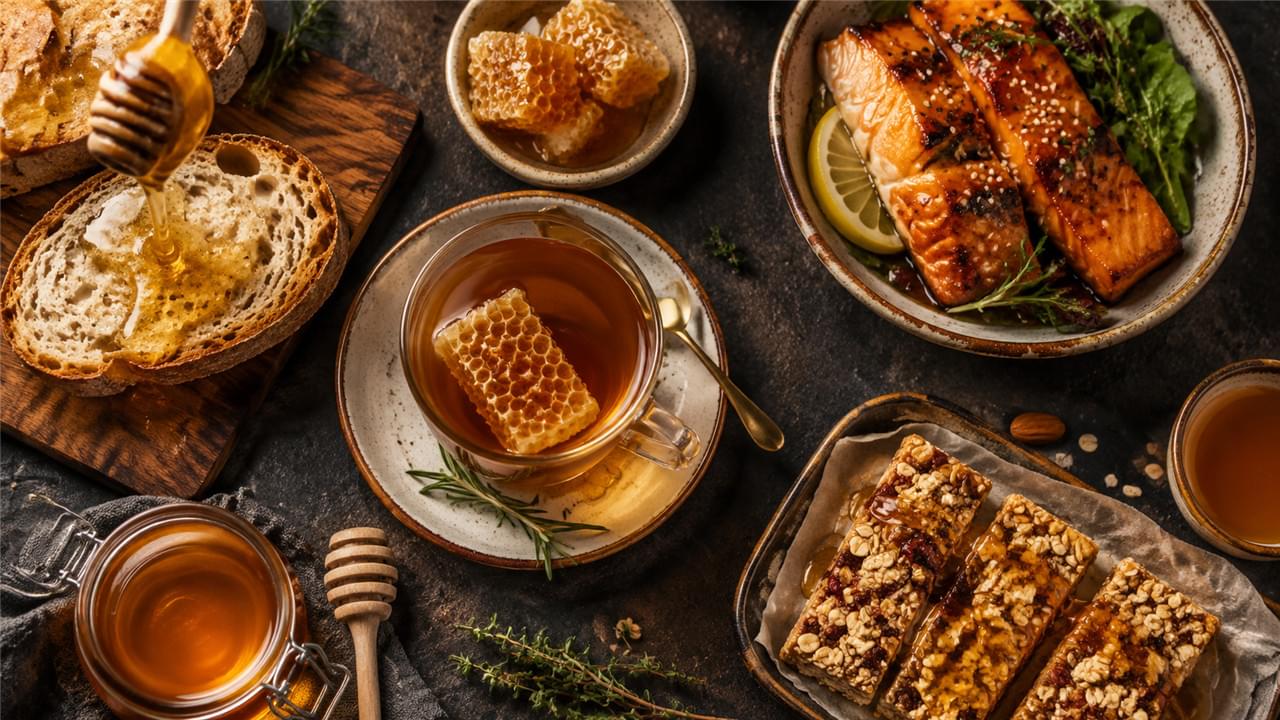
Ask any food manufacturer about honey culinary applications and you’ll hear the same answer: honey stopped being “just a sweetener” years ago. Today it’s a humectant, a flavor system, a browning catalyst, and a clean-label signal all in one golden package — and that versatility is exactly why it keeps showing up in new products across bakery, beverages, sauces, and functional food. 🍯
This guide walks through honey culinary applications across the categories that matter most to food manufacturers and culinary innovators, with the formulation details and sourcing specs you’d actually need to buy at scale. It’s part of our wider content library on natural food ingredients — and if you’re weighing sweetener strategies first, our guide to honey vs artificial sweeteners is a useful detour.
🍞 Honey in Bakery and Confectionery
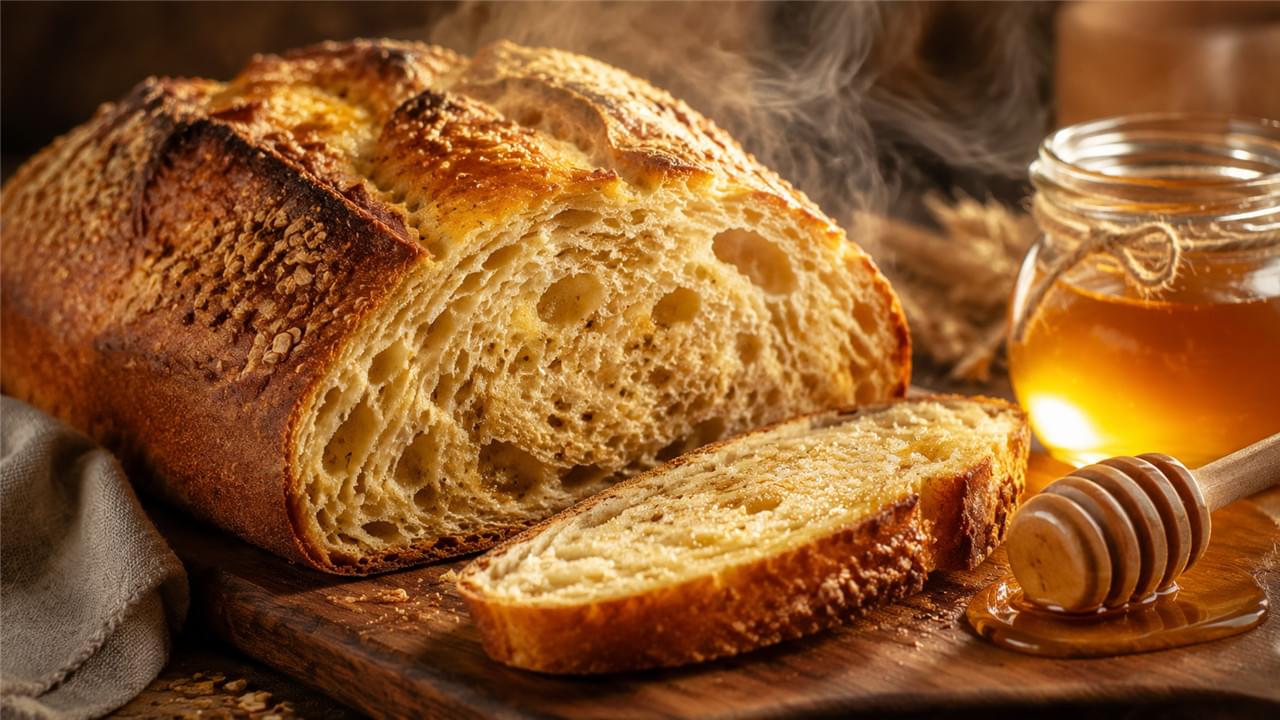
Bakery is still the biggest application category for honey in food manufacturing — by a wide margin. And the reason isn’t sweetness. When it comes to honey in baking, three properties do the heavy lifting.
💧 Moisture Retention: Honey Culinary Applications in Bakery
Honey’s hygroscopic nature — its habit of pulling moisture from the air around it — is one of its most commercially valuable traits in baked goods. Products using honey as a partial or complete sugar substitute consistently stay softer longer and stale slower than sucrose-equivalent recipes. For product developers, that means breads, cakes, muffins, and soft cookies keep their texture without extra humectants or preservatives — a real advantage when your label needs to stay short.
🔥 Maillard Browning: The Golden-Crust Advantage
Honey’s free fructose and glucose are reducing sugars that join the Maillard reaction far more readily than sucrose, which has to be hydrolyzed first. The payoff: deeper, more complex browning at lower oven temperatures and shorter bake times. Practical note for formulators — swapping honey for sugar usually means dropping oven temperature by 15–25°F and trimming other liquids, since honey brings roughly 17–18% moisture with it. Test in small batches before you scale.
🍬 Confectionery: Where Honey Culinary Applications Shine
In candies and confections, honey behaves like an invert sugar analog, which translates into:
- Crystallization prevention in fondants and soft candies
- Soft texture in caramels and nougats
- Flavor complexity in artisan chocolates and ganaches
Dark varietals — buckwheat, chestnut, forest honey — are the favorites in premium confectionery precisely because their bold profiles hold their own against chocolate and spice.
🥤 Honey in Beverages
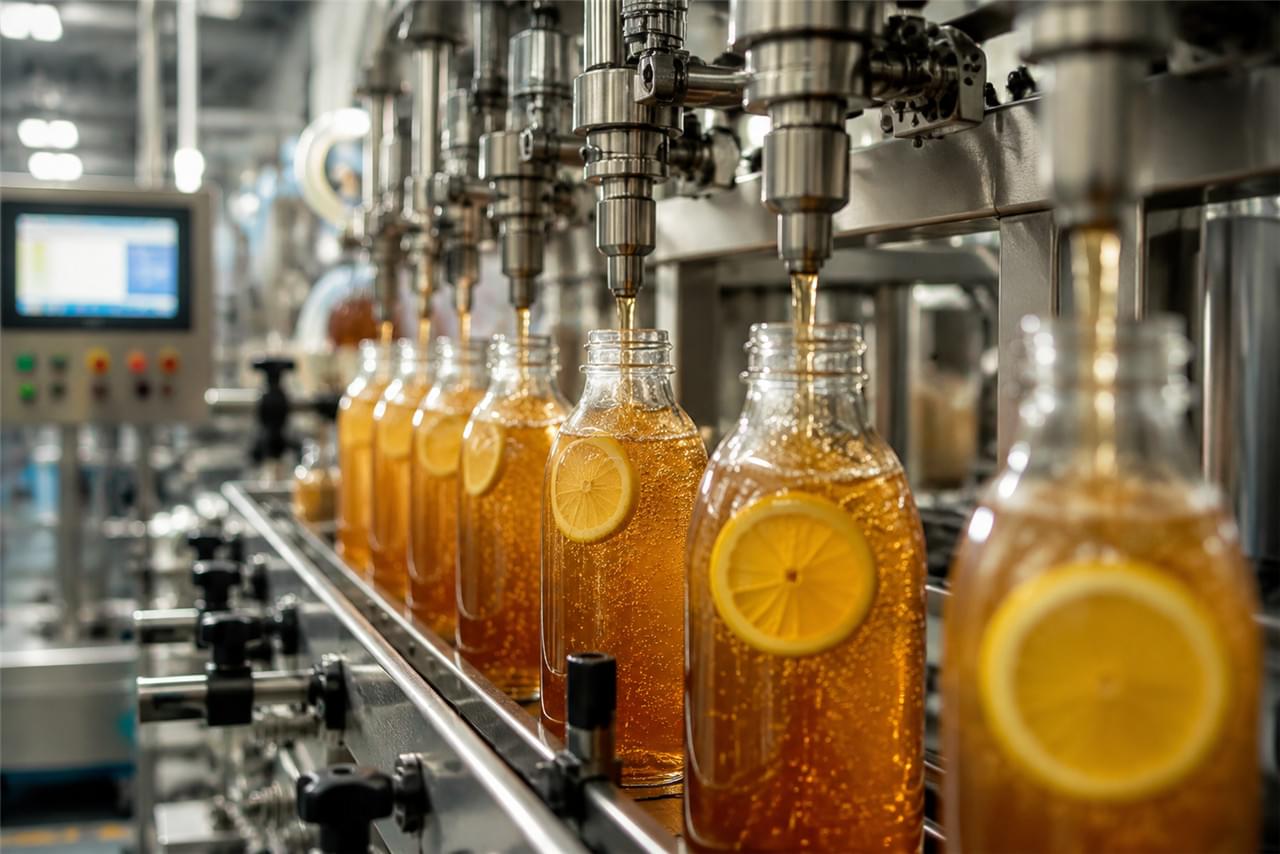
Beverages are honey’s fastest-growing application area, especially in premium and functional segments — few honey culinary applications scale as fast. For honey beverage formulation, three formats deserve attention.
☕ Hot Beverages: Honey Culinary Applications in Tea
Commercial tea brands now use honey in ready-to-drink formats and premium loose-leaf blends, not just as a tabletop sweetener. Acacia honey is the default choice here: its mild, clean profile sweetens without dominating the tea note.
🧊 Cold Beverages: Honey Culinary Applications in Sports Drinks
Natural energy drinks and sports beverages increasingly use honey as a carbohydrate source, leaning on clean-label credentials and “natural energy” messaging. Honey’s roughly 40:30 fructose-to-glucose ratio gives a sustained-release energy curve that fits sports-nutrition storytelling — though specific claims still need jurisdiction-specific substantiation.
🍺 Fermented Beverages: Mead’s Craft Comeback
Mead — fermented honey wine — is in the middle of a genuine craft renaissance, with commercial production growing fast in North America and Europe. Because honey’s floral character lands directly in the finished product, mead producers live and die by raw material consistency. That makes sourcing discipline non-negotiable.
🥗 Honey in Sauces, Dressings, and Marinades
In savory products — the less obvious honey culinary applications — honey pulls double duty as sweetener and texture modifier. Under controlled heat, the Maillard and caramelization reactions build the distinctive flavor and color that premium meat and vegetable preparations are known for.
- Honey-mustard sauces: balanced sweet-acidic profile for foodservice and retail
- Asian-style glazes: honey-soy marinades for poultry and seafood — a significant export segment
- Salad dressings: honey as a natural emulsification aid and flavor balancer
🧬 Honey in Functional Food Innovation
Functional food is where honey food innovation is moving fastest right now.
⚡ Energy Bars and Gels: Honey Culinary Applications for Athletes
Natural energy bars and gels built around honey as the primary carbohydrate source appeal to athletes and active consumers who want clean-label performance nutrition. The blend of fast- and moderate-release sugars fits the pre- and during-exercise fueling window neatly.
🦠 Fermented Foods: Honey Culinary Applications and Gut Health
Honey’s oligosaccharides contribute prebiotic-like effects, which makes it relevant in gut-health development. Honey-infused kefir, yogurt, and probiotic products combine the benefits of dairy fermentation with honey’s natural functional profile.
🌼 Specialty Honeys for Premium Positioning
Monofloral honeys — acacia, linden, manuka-style, wildflower — increasingly appear as branded ingredients in premium lines. The “made with acacia honey” claim carries real weight in premium retail, justifying a price premium over blends. If you’re planning a product around a specific floral variety, our breakdown of 7 bioactive compounds in honey explains what you’re actually putting on the label — and the acacia honey product category shows what consistent monofloral sourcing looks like.
📋 Sourcing Considerations for Food Manufacturers
Consistent supply is the foundation of large-scale manufacturing. These specs should be on your RFQ:
- Diastase activity (Schade units): minimum 8 for standard honey; higher means fresher
- HMF content: maximum 40 mg/kg per the Codex Alimentarius honey standard (CXS 12-1981); lower is better for minimally processed product
- Moisture content: maximum 20% per the Codex standard; lower improves shelf life
- Floral origin certification for monofloral varieties
- Country of origin documentation and a full traceability chain
If you’re sourcing honey culinary applications at industrial scale, Delee Honey supplies multiple varieties with full quality documentation and competitive pricing on bulk and container shipments. Explore our product range at deleehoney.com/packages/, or contact our export team for custom specifications. 🍯


